
“How the Best Interior Designers Transform Hotel Rooms into Memorable Guest Experiences”
A hotel room is more than just a place to sleep. It is a private space where guests relax, work, recharge, and form lasting impressions of the hotel. A skilled hotel room designer understands that every detail—from the layout and lighting to the furniture and finishes—plays an important role in shaping the guest experience.
The best interior designer does not simply focus on making a room look beautiful. The goal is to create a comfortable, functional, visually appealing, and memorable environment that encourages guests to return.
What Does a Hotel Room Designer Do?
A professional hotel room designer plans and designs hotel spaces by balancing aesthetics, functionality, comfort, and operational requirements. Unlike residential interiors, hotel room design must work for a wide variety of guests while also being durable, easy to maintain, and aligned with the hotel’s brand identity.
Designing a Consistent Brand
Experience
The best interior designer creates a design concept that reflects the hotel’s target audience and brand positioning.
This consistency can make the hotel more recognizable and help guests remember their experience long after their stay. Colours, furniture, materials, artwork, lighting, and decorative elements should work together to tell a consistent story.
[ GET A FREE CONSULTATION ]
A well-planned hotel room may include:
- Comfortable and space-efficient furniture
- Functional lighting for different guest activities
- Smart storage solutions
- Durable flooring and wall finishes
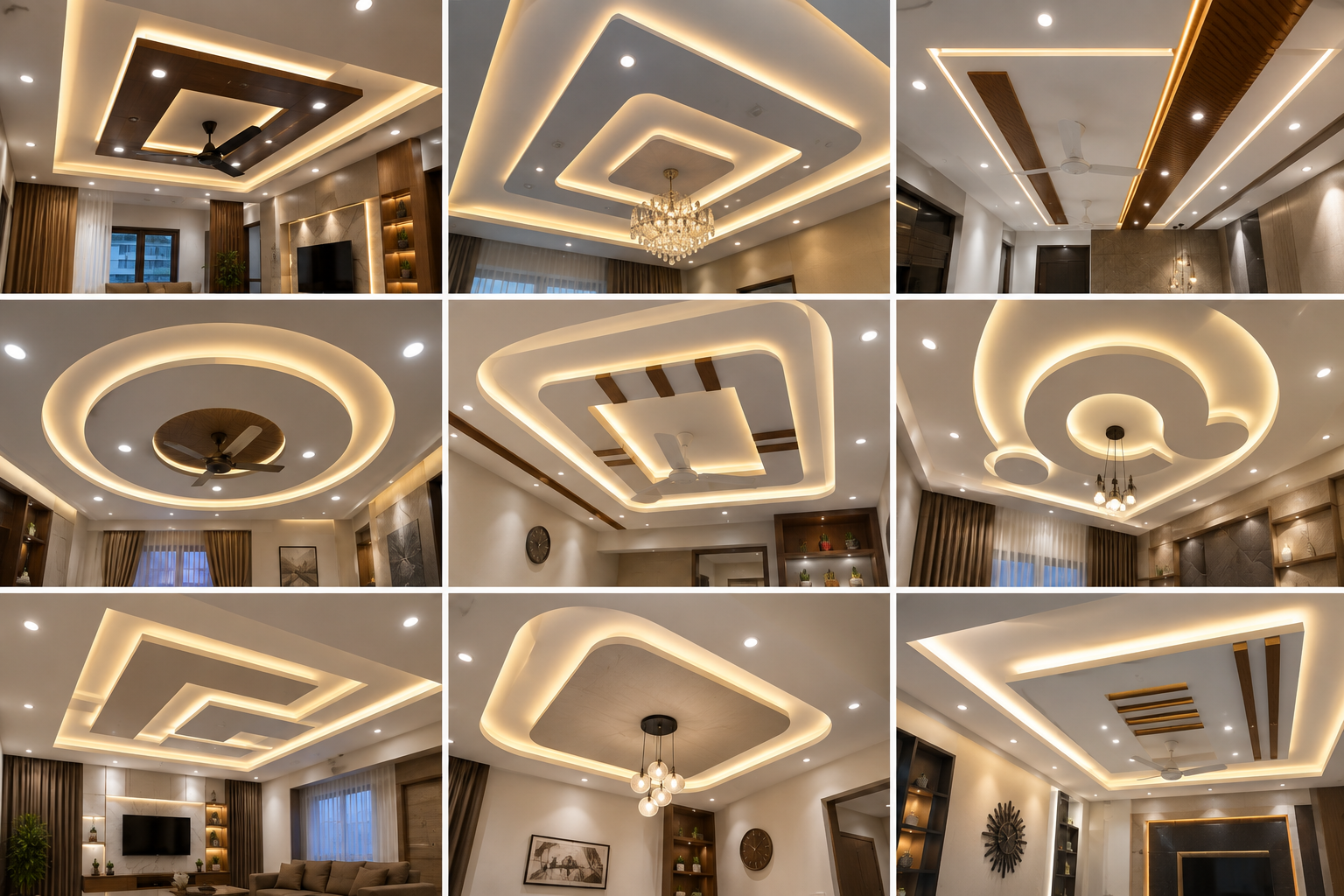
- Attractive false ceiling designs
- Techn workspace
Designing for Comfort and Functionality
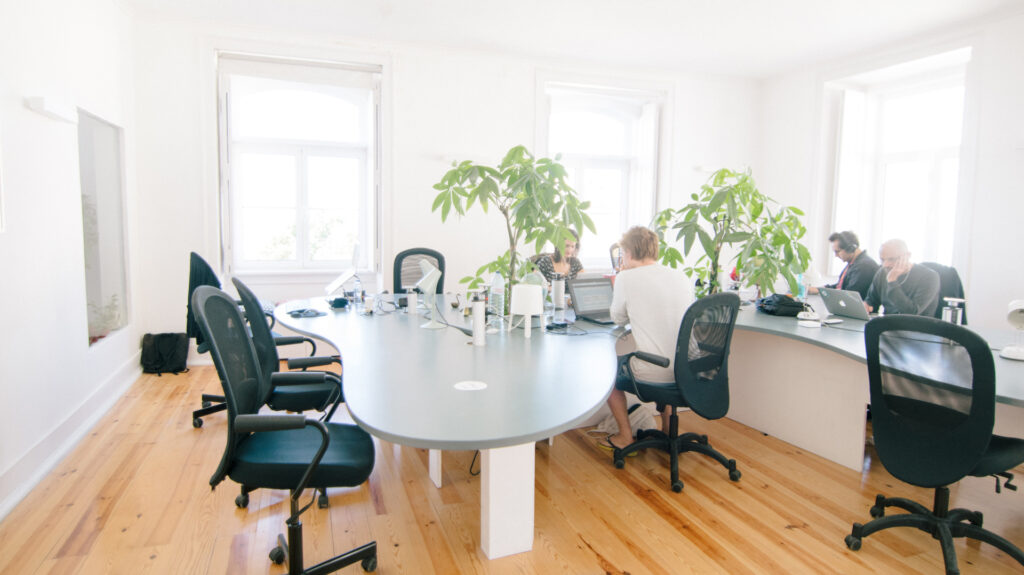
A thoughtful hotel room design considers questions such as:
- Is there enough space to move around comfortably?
- Is the bed positioned for maximum comfort?
- Is there adequate storage for luggage and personal belongings?
- Are charging points conveniently located?
- Is there a comfortable workspace for business travellers?
The Role of Modular Furniture and Storage
Storage is an important part of the guest experience. Poorly designed wardrobes and furniture can make a room feel cluttered and inconvenient.
Customized furniture helps create:
- Better organization
- Maximum use of available space
- Consistent design throughout the hotel
- Easy maintenance
Contact Bosky Interior today and start planning your hotel interior project.
Why Hotels Need a Commercial Interior Designer
Hotel interiors are different from ordinary residential projects. Hotels experience continuous use and require materials and furniture that can withstand frequent wear while maintaining their appearance.
Working with the best modular kitchen designer and modular furniture specialists can also bring valuable expertise in customization, storage optimization, material selection, and functional design. The same principles used to create efficient modular spaces can be applied to hotel wardrobes, minibar units, cabinets, and other built-in furniture.
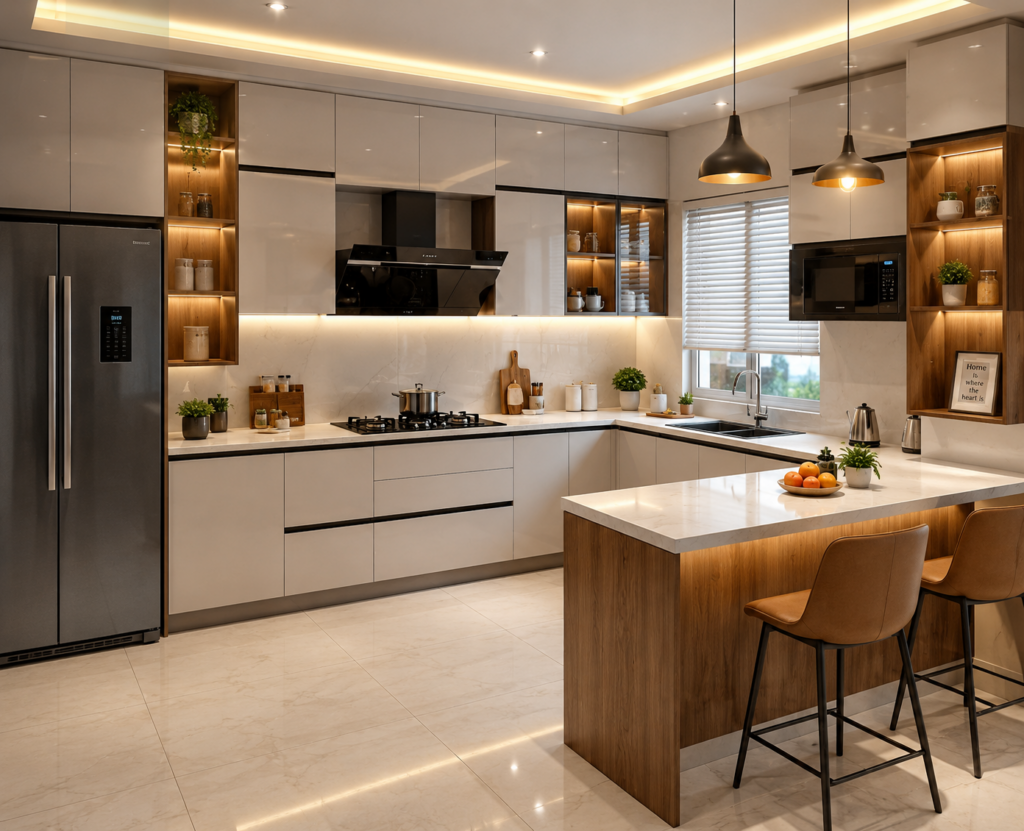
An experienced commercial interior designer considers:
- Durability
- Space optimization
- Easy maintenance
- Operational efficiency
- Guest comfort

What Makes a Hotel Room Truly Memorable?

The most successful hotel interiors often deliver:
Comfort – A relaxing and welcoming environment.
Functionality – Everything is conveniently placed and easy to use.
Aesthetic Appeal – A visually attractive space that feels special.
Personalization – Design elements that reflect the hotel’s unique identity.
Smart Space Planning – Maximum functionality without making the room feel crowded.
Quality Materials – Durable and attractive finishes that enhance the guest experience.
Create Hotel Rooms Guests Remember
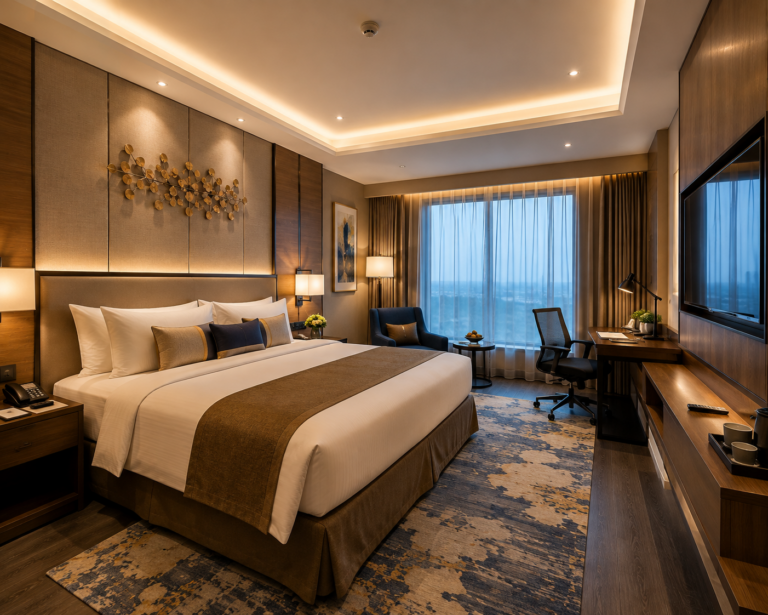
The image perfectly represents how modern hotel room interior design can transform an ordinary accommodation space into a comfortable and memorable environment. From the warm ambient lighting and luxurious bed setup to the dedicated workspace and elegant seating area, every element contributes to a better guest experience.
- Guest comfort
- Space utilization
- Lighting design
- Furniture placement
- Storage solutions
- Work and relaxation areas
- Material durability
- Hotel brand identity
Frequently Asked Questions
A hotel room designer plans the layout, furniture, lighting, colours, storage, finishes, and other interior elements to create comfortable, functional, and visually appealing hotel rooms.
Interior design directly affects guest comfort, satisfaction, brand perception, and the overall hotel experience. A well-designed room can encourage positive reviews and repeat bookings.
Accordion Content Hotels should look for relevant experience, design expertise, understanding of commercial spaces, customization capabilities, project management skills, and the ability to balance aesthetics with functionality.
A commercial interior designer can create practical and attractive interiors while considering durability, guest movement, maintenance requirements, space utilization, and the hotel’s brand identity.